WELCOME TO THE GENRE
If you’re new to LitRPG or Progression Fantasy, you might be wondering what exactly you are getting into. Do not worry—you are not alone. These genres have exploded in popularity over the last decade, and for good reason. They combine the best elements of video games, epic fantasy, and character-driven storytelling into something uniquely addictive.
WHAT IS LITRPG?
LitRPG stands for Literary Role-Playing Game. It is a genre of fiction that incorporates elements of tabletop RPGs and video games directly into the narrative. In simple terms, imagine if life had a stat screen.
The core elements of LitRPG include game mechanics, progression, a system, world-building, and real stakes. Characters in LitRPG stories have stats, levels, skills, classes, and abilities, just like in an RPG. They grow stronger over time through experience, training, and achievements. This growth is tracked by a “System,” which functions like a game interface, awarding rewards and governing the rules of the world. The settings often resemble game worlds, complete with dungeons, quests, NPCs, and loot. Despite the game-like elements, the stakes are very real, and death is often permanent.
There are several subgenres within LitRPG. VRMMO LitRPG features characters who enter a virtual reality MMORPG, like in Ready Player One. Portal LitRPG involves characters being transported to a world with game mechanics, as seen in He Who Fights With Monsters. System Apocalypse stories depict game mechanics suddenly appearing in the real world, such as in Dungeon Crawler Carl. Reincarnation LitRPG follows characters who die and are reborn in a world with game mechanics, which is somewhat similar to the premise of Soul Craft. There is even Dungeon Core LitRPG, where the protagonist is a sentient dungeon, like in Dungeon Heart.
WHAT IS PROGRESSION FANTASY?
Progression Fantasy is a broader genre that focuses on characters becoming stronger over time, whether physically, mentally, or magically. While LitRPG is a subset of Progression Fantasy, not all Progression Fantasy has LitRPG elements. The core elements of Progression Fantasy include growth, milestones, training, stakes, and the satisfaction of seeing a character evolve. Characters start weak and grow stronger through effort, training, and overcoming challenges. Their progress is marked by clear achievements, such as new powers, higher ranks, or major victories. Characters actively work to improve themselves, and growth is necessary for survival or achieving goals. The joy of watching a character grow is a central appeal of the genre.
LITRPG VS PROGRESSION FANTASY: WHAT’S THE DIFFERENCE?
The difference between LitRPG and Progression Fantasy lies in their mechanics, scope, and how growth is tracked. LitRPG always features explicit game mechanics, including stats, levels, and skills, and it always has a “System” interface that tracks progress. Growth is tracked with numbers and stats. LitRPG is a subset of Progression Fantasy. In contrast, Progression Fantasy may or may not have game mechanics and may not have a System at all. Growth is often qualitative, focusing on new powers or mastery rather than numerical stats. Progression Fantasy is a broader umbrella genre that encompasses LitRPG.
If you love numbers, stats, and game interfaces, LitRPG is for you. If you love character growth, training, and power progression, you will enjoy both LitRPG and Progression Fantasy. If you want a mix of both, like Soul Craft, you are in luck—that is exactly what MugenMEDIA creates.
WHY ARE THESE GENRES SO POPULAR?
There are several reasons why LitRPG and Progression Fantasy have become so popular. First, there is the gaming connection. Millions of people grew up playing video games, and LitRPG taps into that familiar experience, making the worlds feel immediate and accessible. Second, there is the appeal of clear progression. There is something deeply satisfying about watching a character grow from zero to hero, and the game-like mechanics make that progression tangible and rewarding. Third, these genres offer escape and empowerment. They provide an escape from the mundane, allowing readers to imagine leveling up, gaining powers, and becoming the hero of their own story. Fourth, the community surrounding LitRPG and Progression Fantasy is passionate and supportive, with readers loving to discuss systems, builds, and theories. Finally, the genres offer endless possibilities. They are incredibly flexible and can be combined with romance, horror, comedy, slice-of-life, or any other genre.
THE SOFT SYSTEM VS HARD SYSTEM DEBATE
In LitRPG, there are two main approaches to system design: hard systems and soft systems. A hard system is characterized by numbers, rigid rules, and well-defined mechanics. Every stat, skill, and level has a clear numerical value, and the system governs the world strictly. A soft system, on the other hand, is more flexible. Numbers are present but not the focus. The rules are flexible and often tied to emotion or narrative rather than strict mechanics.
Neither approach is better than the other; it simply depends on what you enjoy. If you love optimization, strategy, and theory-crafting, go with hard system. If you love character development, emotional depth, and storytelling, go with soft system. At MugenMEDIA, we specialize in soft system LitRPG, where the system is a tool for character growth, not the focus of the narrative.
WHAT MAKES SOUL CRAFT UNIQUE?
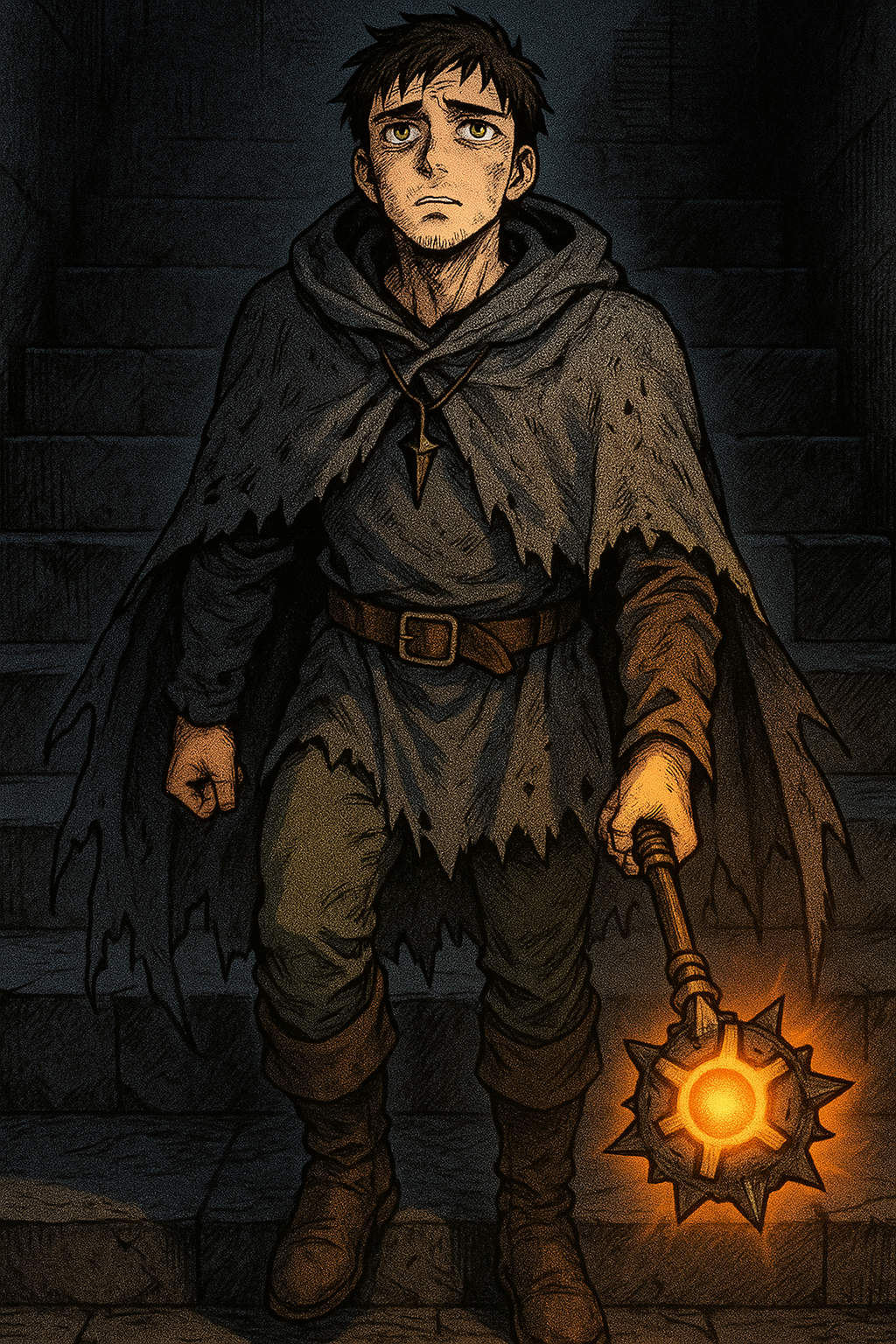
Soul Craft blends LitRPG and Progression Fantasy in a way that prioritizes emotional growth over numerical progression. Class evolution occurs through emotional breakthroughs, not experience points. Crafting requires intent and meaning, not just materials. The system is soft, with no spreadsheets, just narrative-driven growth. The stakes are not just physical but emotional and psychological. Romance is central to the narrative, not a side plot. The themes include suicide, depression, redemption, and second chances. Soul Craft is not a power fantasy. It is a story about a man who has given up learning to feel again. The numbers and mechanics are tools to explore that journey, not the journey itself.